
Meet
Alicia
Intimacy Coach and Sex Educator
My story
If I am to be 100% honest with you, sex was never something I knew much about growing up. My understanding of my vulva was the "front bottom".
I remember clearly the first time I tried to put a tampon in. The thought of sticking a finger inside myself was so disgusting that I sat on the cold bathroom tiles and cried for what felt like hours.
I never had any of the "electric toothbrush" moments like other girls at school, and my knowledge of sex was based solely on what I had seen in movies - instant desire, instant arousal, he penetrates her, and the finale involves a very noisy and dramatic simultaneous orgasm.
So, was I surprised when I still had not orgasmed by the time I was 24?
I shouldn't have been, but I was.
I internalised it too: "There must be something wrong with my body, right?"
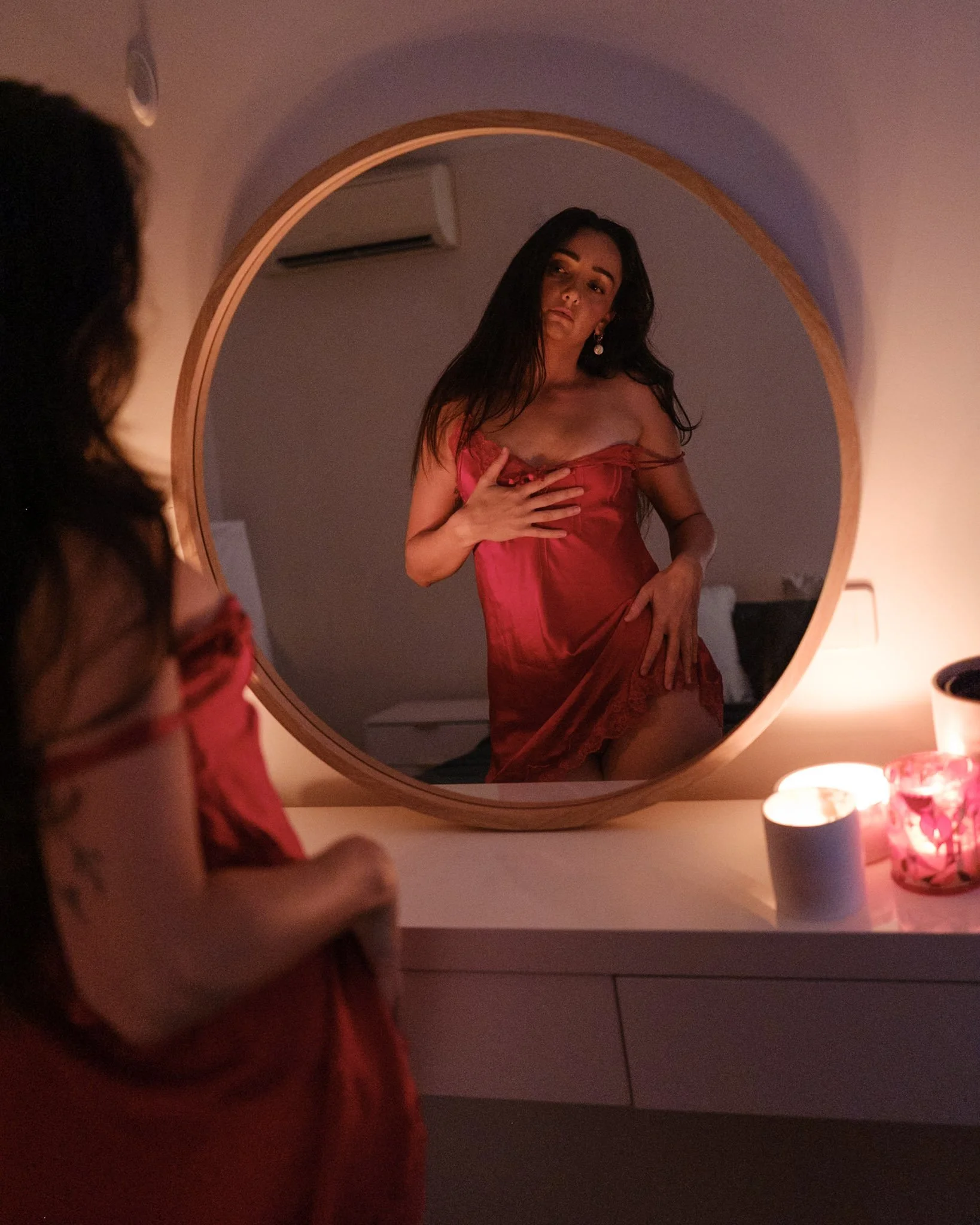
In my early relationships, I had low sexual desire.
I often thought, "I could easily go without sex forever; it's he who needs it".
I look back on those thoughts with much more knowledge of sex science and experience with my body and pleasure behind me and think…
"Your experience makes so much sense. Sex is a motivation system, not a drive. If sex consisted of 3 seconds of "foreplay", into penetration (that you received no pleasure from due to internal numbness) and a performance of the wildest, fakest O for the other persons pleasure, of course you're not motivated to have more."

A motivation for sex that is solely to please the other person, is not a good enough motivation to sustain sexual desire in a long term relationship.
In fact, it quickly becomes a desire killer.

Learning how to orgasm as an adult
Learning to orgasm as an adult was hard. I was fighting against a deeply ingrained belief that my body was broken, that I simply couldn’t orgasm. I was also stuck in the toxicity of productivity culture, where rest felt like laziness, not exactly helpful when you’re trying to relax enough to feel pleasure.
Mindfulness and meditation? I had barely touched them. I’d written them off as “not for me” or a waste of time.
On top of that, I had practically no understanding of:
My pleasure anatomy
My arousal patterns
What turned me on (or off)
My wants, needs, and desires
How to express myself confidently in bed
Yeah... that’s a lot of unlearning and re-learning in the name of pleasure.
What Sexual Empowerment really means
For me, sexual empowerment came from:
Knowing my body, and actually understanding how it works
Exploring my desires, and learning how to name and express them
Creating safety within myself, so I could relax enough to feel
Reconnecting to pleasure, in a way that was for me, not performance
As I slowly began learning more about my body, I was able to re-sensitise areas that had gone numb, emotionally and physically. I started making new neural connections, building a bridge between my mind, body, and pleasure.
And eventually, that bridge led to my first orgasm.
That experience changed everything.
And it made me hungry for more.
The Turning Point
How I got here
I originally moved to Broome to work in Podiatry. But outside the chaos of city life, something unexpected happened: I finally had the time and space to pursue what I had been quietly becoming wildly passionate about.
Sexology.
More specifically, the very real struggles so many women were facing with orgasm, desire, and disconnection.
I saw the pain.
I heard the whispered questions:
"Am I broken?"
"Is this normal?"
I felt the quiet resignation from women having sex they didn’t enjoy, thinking they just had “low libido" or believing they’d never experience orgasm, and that something must be wrong with them.
That fire in me grew louder. I wanted to scream from the rooftops:
"You are not broken. You just don't have the right tools yet."
So, I followed it. I enrolled in Sexology at Curtin University, and then 12 months later, began further training in Somatic Sex Coaching through the Institute of Somatic Sexology.
With a strong foundation in both science and somatics, I launched my own coaching practice.
Now, I help women every day reconnect with their bodies, reclaim their pleasure, and live their most erotic and sexually fulfilling lives.
Qualifications
Bachelor in Health Science (La Trobe University)
Graduate Certificate in Sexological Practice (Curtin University) **working towards Graduate Diploma and Masters
Graduate Certificate in Somatic Sex Coaching (Institute of Somatic Sexology)
Member of the Somatic Sex Educators Association of Australia (SSEAA)
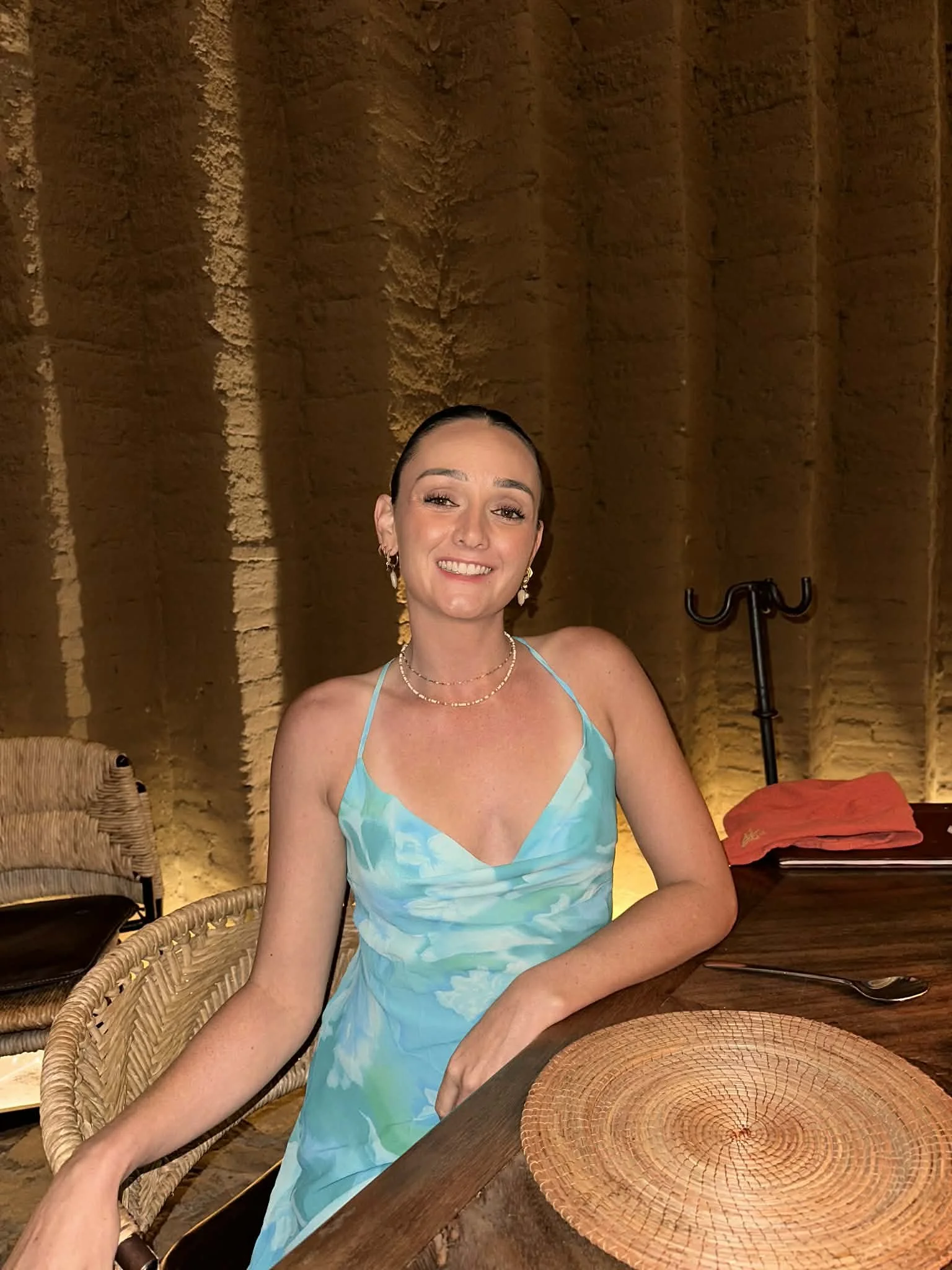
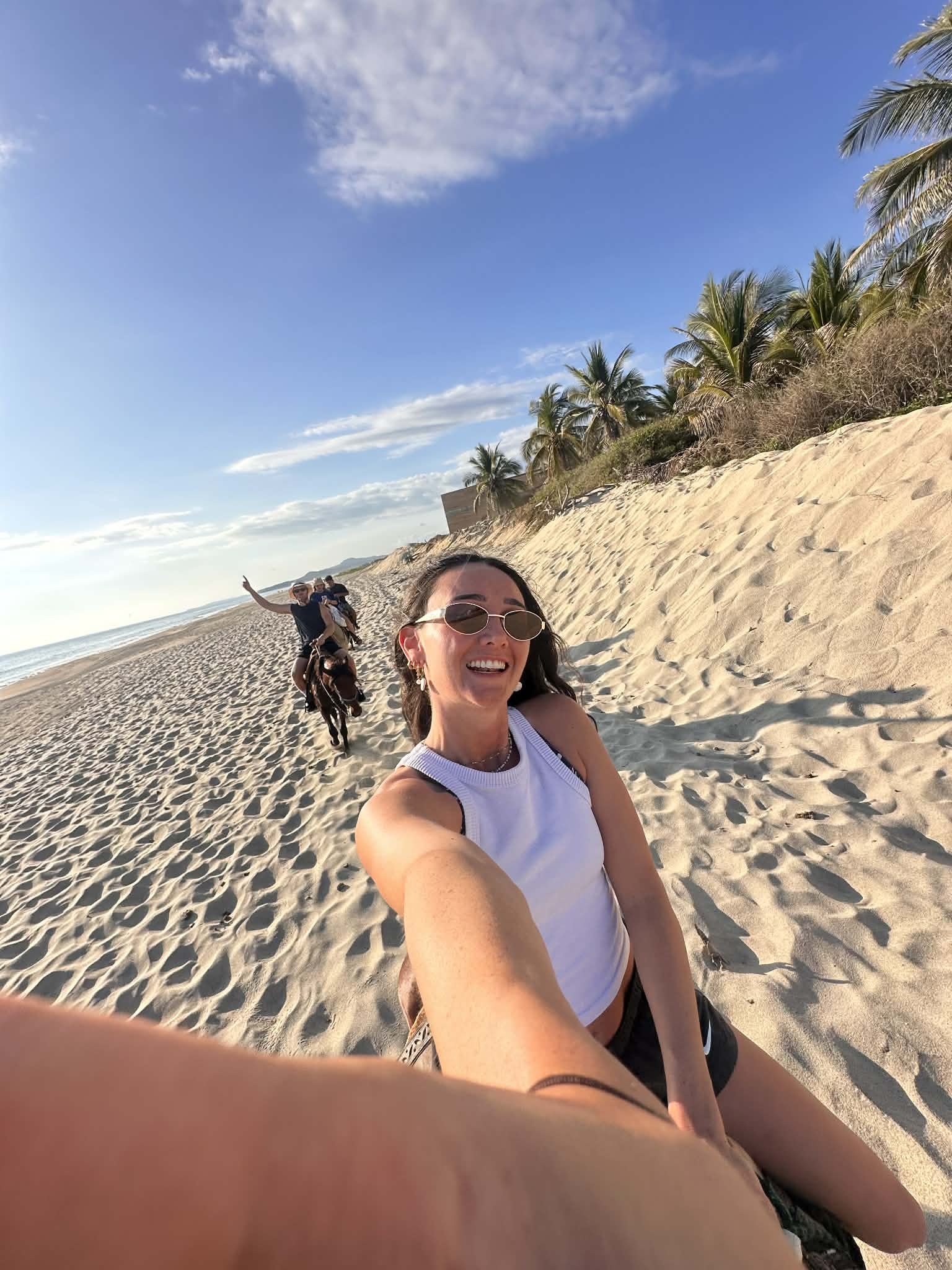
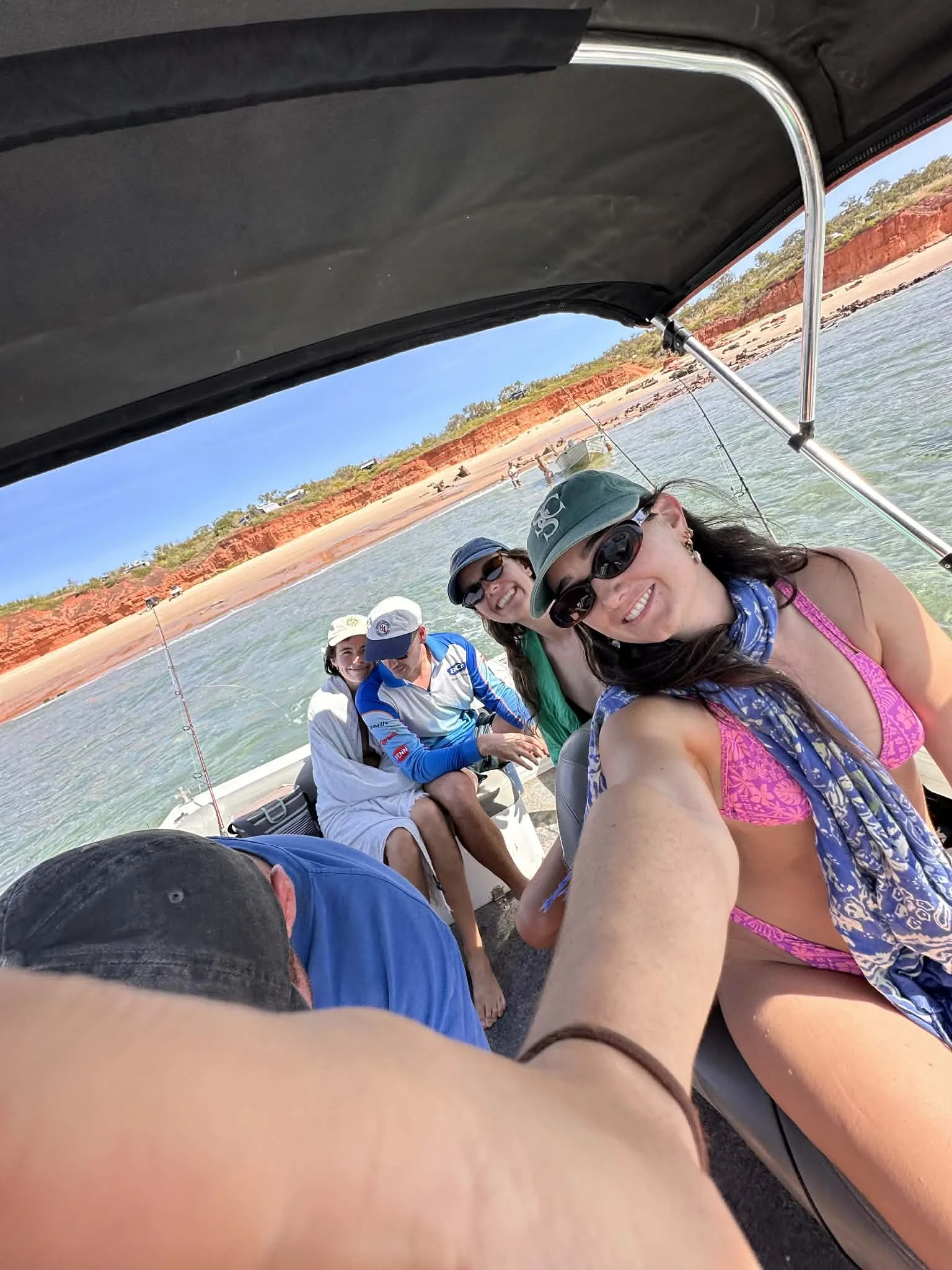
I’m originally a Melbourne girlie but I hate the cold, so I’ve found a home in the red dirt of Broome on the Western Australian coast. I’ve escaped the hustle and come to adore the slow life that the Kimberley offers. I’m a sun-seeking, meaning-maker, Capricorn who will happily laze reading on the beach all day.
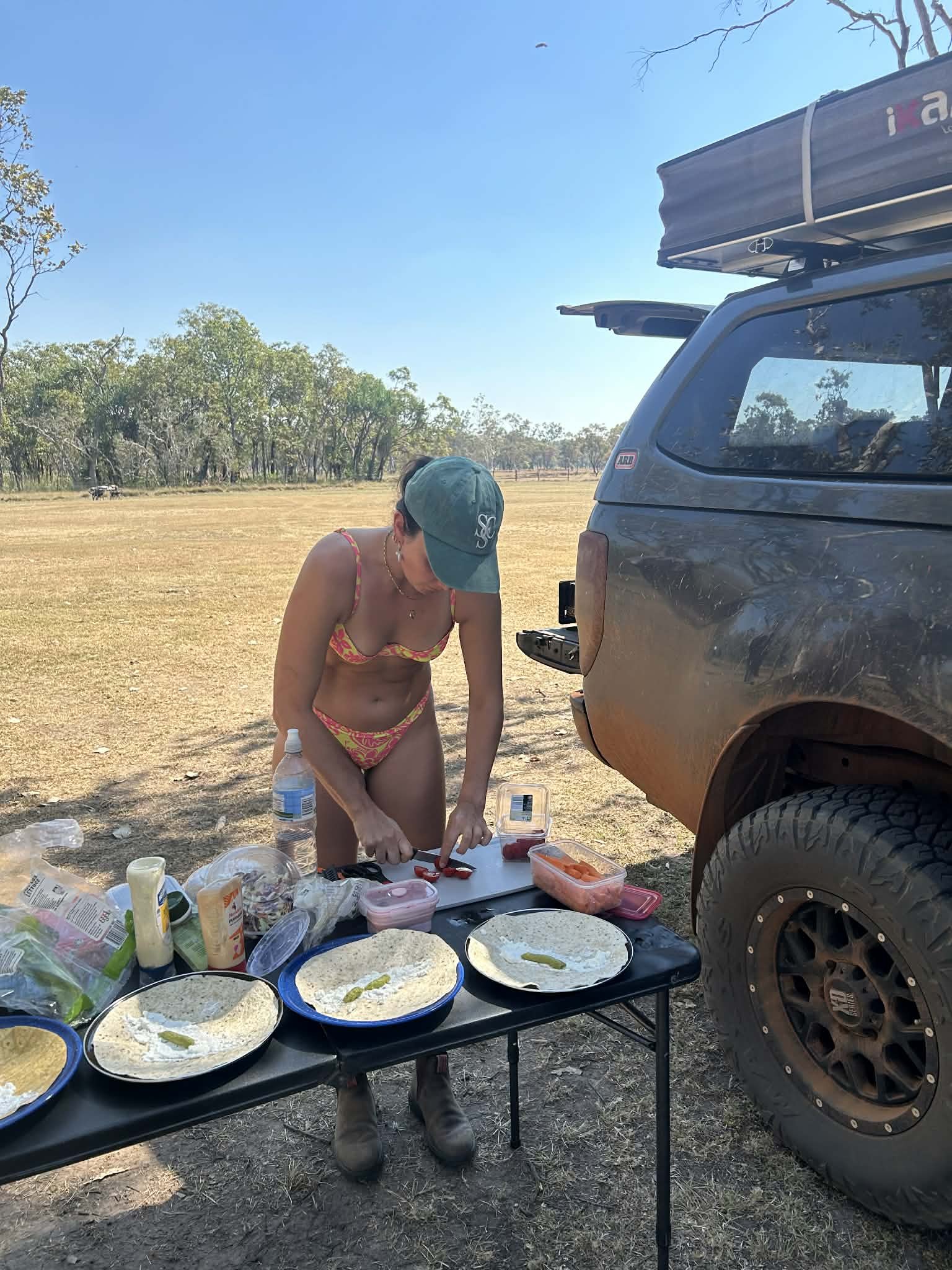
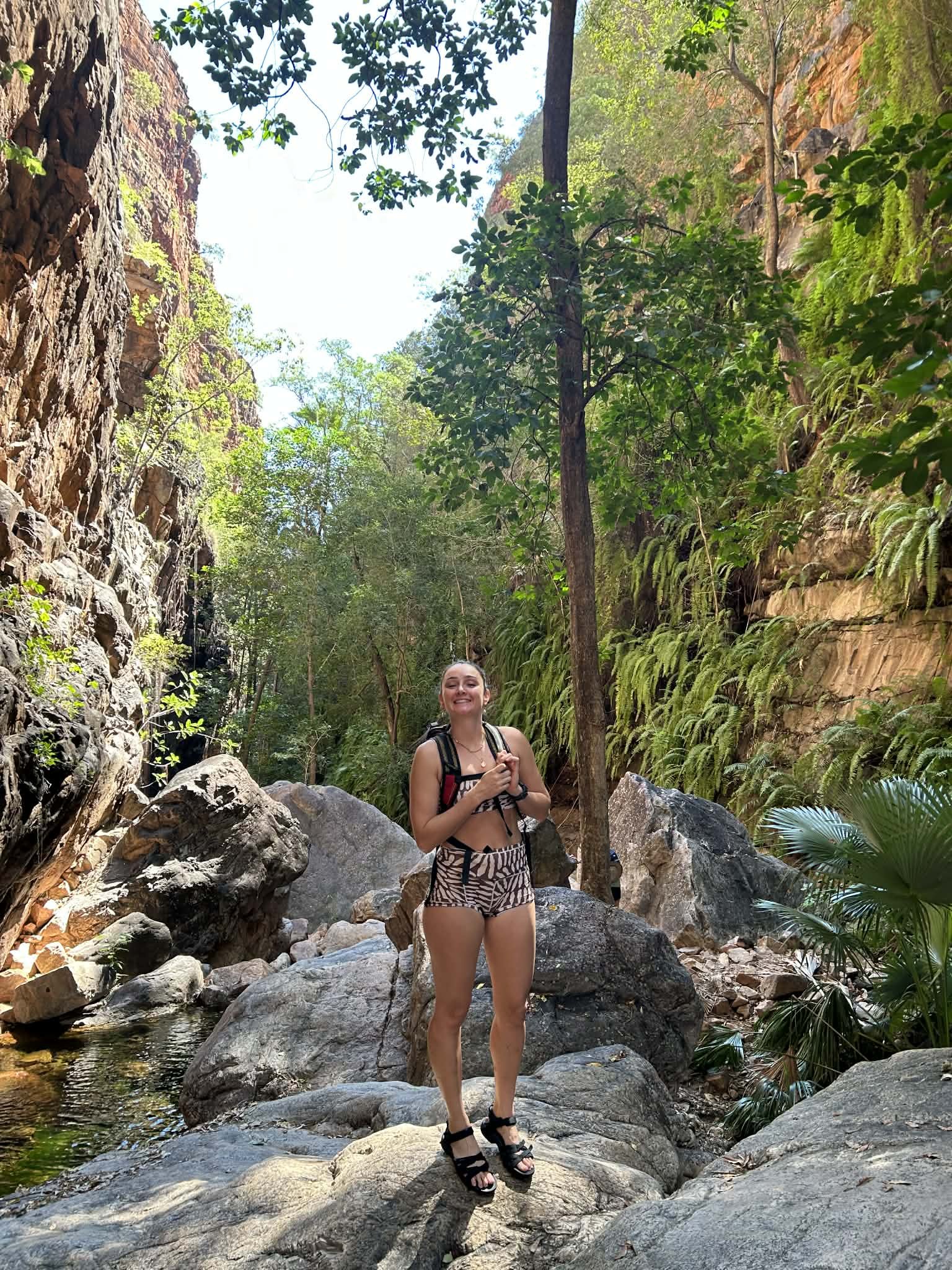
My happy place is out camping or watching the wet-season storms roll across the vast skies. My background is in health care. I’ve been a podiatrist for the last 7 years, so I know very well the band-aid fixes that a lot of Western Medicine offers and I want to offer women something different. I’m obsessed with chocolate, which makes my lunch dessert daily. I’m a slut for different hobbies, always trying a new flavour of the month, although I seem to always come back to dance and movement, even though I’m a TERRIBLE dancer.
On a more personal note…

Get in Contact with Alicia